
Teaching Kids Money Skills: A Guide for Ages 8 to 13
JT
Understanding the Importance of Money Skills
Teaching kids about money is an essential life skill that can set them on a path to financial success. By starting early, you equip them with the tools to make smart financial decisions. Kids aged 8 to 13 are at a perfect age to grasp basic concepts and develop good habits.

Introducing Basic Concepts
Begin with the basics by explaining what money is and how it is used. Use everyday examples, like shopping or saving, to make it relatable. Discuss the difference between needs and wants to help them prioritise spending.
Introduce the concept of saving by encouraging them to set aside a small portion of any money they receive. This helps instil the value of delayed gratification, an important aspect of financial management.
Setting Up a Simple Budget
Teach your child how to create a simple budget. This could involve tracking their allowance or any money they earn from chores or small jobs. Show them how to divide their money into categories such as spending, saving, and giving.

Encouraging Saving Habits
Introduce your child to the concept of a savings goal. This could be for a toy, a game, or even a charity donation. Help them understand how to set a goal and track their progress. This not only teaches them about saving but also about responsibility and planning.
Consider opening a savings account for them if they are old enough. This can be a great way to teach them about banks and interest, giving them a sense of accomplishment as they watch their savings grow.
Understanding Earning and Spending
Allow your child to earn money through chores or small jobs. This teaches them the connection between work and earning. Discuss different ways people earn money and the importance of hard work and responsibility.

Encourage smart spending by involving them in family shopping trips. Show them how to compare prices and look for deals. This hands-on experience is invaluable in teaching them how to make informed purchasing decisions.
Introducing Investments
For older kids, introduce the basics of investing. Explain how investments can grow over time and the concept of risk versus reward. You can use simple examples, like buying a share of a company they know and watching how its value changes.
Consider using online simulations or games that teach investment principles in a fun and engaging way. This can spark an interest in finance and economics that lasts a lifetime.
Making Learning Fun
Utilize games and apps designed to teach financial literacy. Many educational tools turn learning about money into an interactive experience, making it enjoyable and memorable for kids.
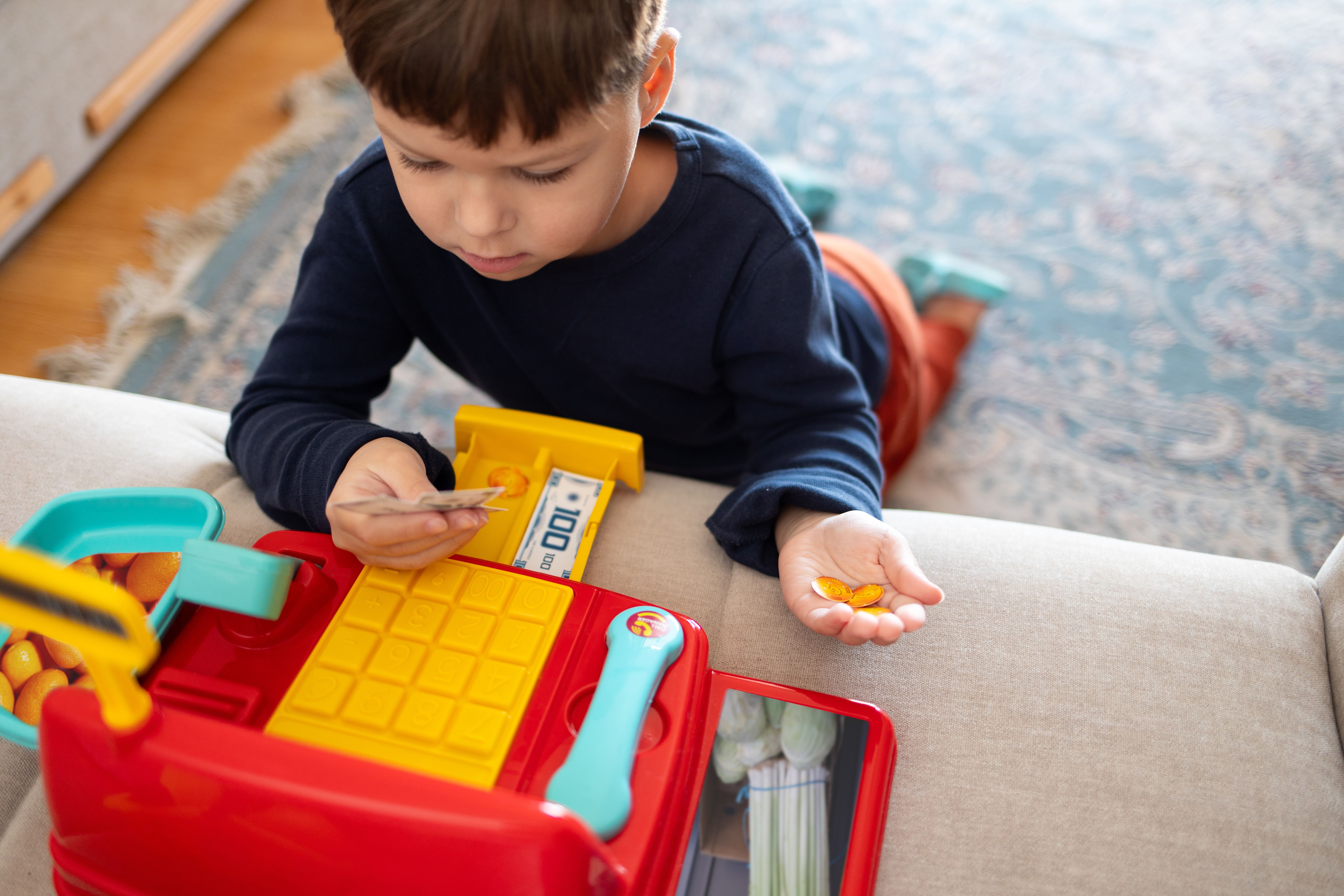
Remember, the goal is to build a foundation of financial understanding that will benefit them throughout their lives. By teaching your kids money skills now, you're giving them the best chance at a financially secure future.